

The Best Ceremonial Matcha for Beginners: What to Look For
The best ceremonial matcha for beginners is not necessarily the most expensive tin. It is a fresh, well-sourced Japanese matcha that tastes balanced enough for you to actually enjoy and prepare regularly.
If you are buying matcha for the first time, focus on five things: origin, freshness, color, flavor and quantity.
Here is how to choose well.
What does ceremonial matcha actually mean?
"Ceremonial grade" is widely used to describe matcha intended to be whisked with water and enjoyed on its own, but it is not an official Japanese grading system.
The words on the tin are therefore less important than what is inside it.
Look for matcha produced in Japan with transparent information about its origin. Uji, Nishio, Kagoshima and Shizuoka are among Japan's known tea-producing regions. At Matcha Tea Lovers, our matcha comes from Uji, near Kyoto, a region with centuries of tea-making tradition.
How to choose your first ceremonial matcha
1. Look for Japanese origin
Real matcha is produced from shade-grown tea leaves processed into tencha before being finely ground.
Avoid relying on words like "premium" or "ceremonial" alone. A brand should be able to tell you where its matcha comes from.
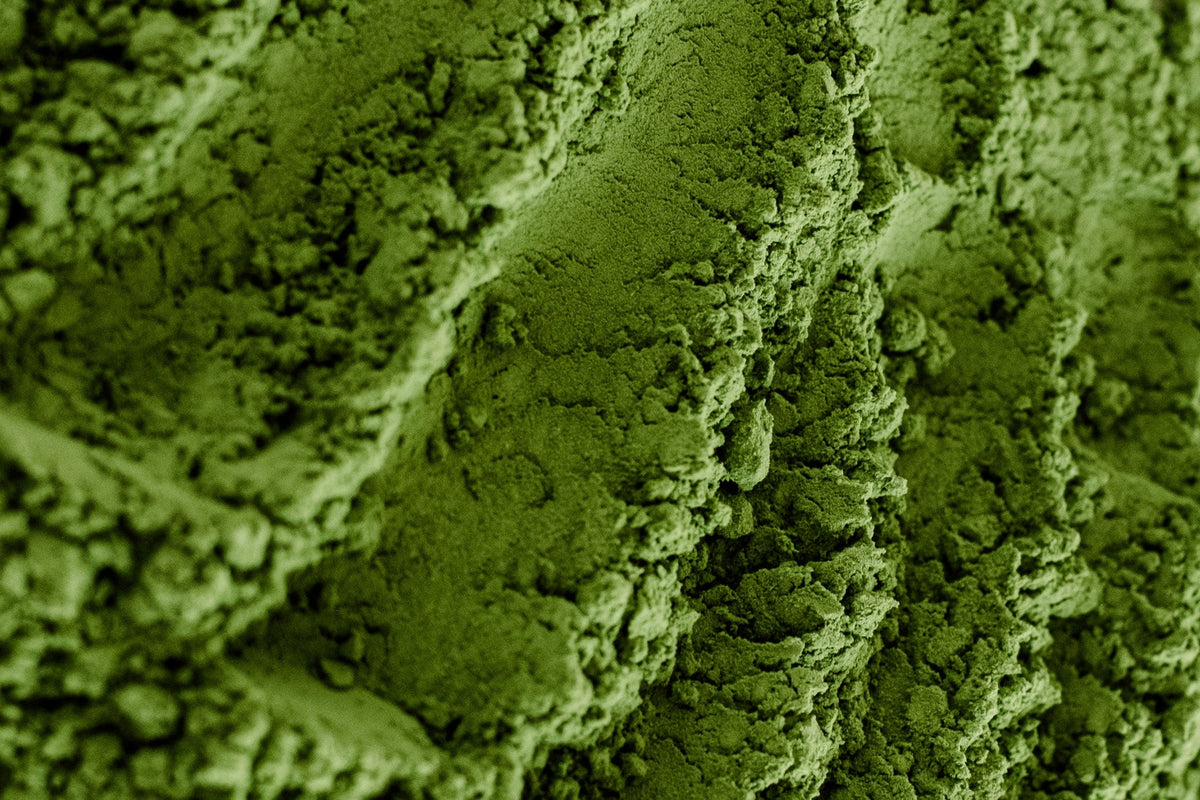
2. Look for a vibrant green color
Good matcha is typically bright, vivid green rather than dull olive or brown.
Color is not proof of quality by itself, but combined with a fresh aroma and very fine texture, it is a useful indicator.
3. Choose balance over intensity
For your first matcha, look for descriptions such as smooth, creamy, mellow, umami or balanced.
Some bitterness is completely natural. What you do not want is a cup dominated by harshness or astringency.
And before blaming the matcha, check your water. Boiling water can make even good matcha unnecessarily bitter.
4. Start small
Matcha begins losing freshness once opened, so buying a large quantity for your first experience rarely makes sense.
This is exactly why we created our 10g Discovery Matcha.
It gives you enough matcha to experience the ritual several times before deciding whether it deserves a permanent place in your routine.
For Willy Hobal, founder and CEO of Matcha Tea Lovers, discovering matcha was never about finding another caffeinated drink. It became a small daily pause that eventually shaped the philosophy behind MTL: creating more intentional ways to care for our energy.
You can read more about the story behind Matcha Tea Lovers.

How much should your first matcha cost?
Extremely inexpensive "ceremonial matcha" should make you curious about sourcing and quality, but the highest price does not automatically mean the best experience either.
For a beginner, prioritize transparent Japanese sourcing, freshness and taste over prestige.
More importantly, buy an amount you will actually finish while it is fresh.
How to prepare your first bowl
You do not need a complicated tea ceremony setup.
Start with:
1. Sift 1 to 2 grams of matcha into a bowl.
2. Add approximately 60 to 80 ml of water at 70 to 80°C.
3. Whisk briskly in a W motion until smooth and lightly foamy.
4. Taste it before adding milk or sweetener.
If it tastes too strong, add more water or use slightly less matcha next time.
If you prefer a latte, whisk the matcha with a small amount of water first, then add your milk of choice.
The important part is repetition. After a few preparations, you will quickly learn how you like yours.
The best beginner matcha is the one you want to make again
You do not need expert tasting vocabulary, expensive equipment or a complicated morning routine to appreciate good matcha.
Start with a fresh Japanese matcha. Buy a small amount. Learn how to prepare it properly. Notice how it tastes and how it fits into your day.
Then decide if you want to continue.
That is how a ritual begins.


Leave a comment
This site is protected by hCaptcha and the hCaptcha Privacy Policy and Terms of Service apply.