


What Ceremonial Matcha Quality Really Means
Not all matcha is created with the same purpose.
Some powders are developed for cooking, baking or blended beverages. Others are selected for their delicate flavor, fine texture and ability to be enjoyed simply with water.
Ceremonial matcha belongs to the latter tradition.
But what actually makes it different?
The answer lies beyond the label, in the quality of the tea leaves, their origin, how they are processed and the experience they create in the cup.
What is ceremonial matcha?
Ceremonial matcha generally refers to high-quality Japanese matcha selected for drinking, particularly in traditional preparations.
It is appreciated for its vibrant green color, exceptionally fine texture and balanced flavor, where natural sweetness, vegetal notes and umami come together.
One important detail: “ceremonial grade” is not an officially regulated Japanese classification.
That doesn't make the designation meaningless. It simply means the quality should be demonstrated through the matcha itself, rather than the label alone.
Origin, cultivation, processing and freshness are what truly distinguish an exceptional powder.
1. It begins with the tea leaves
Matcha comes from Camellia sinensis, the same plant used to produce other traditional teas.
What makes matcha distinctive is how the leaves are cultivated and processed.
High-quality Japanese matcha is traditionally produced from shade-grown tea leaves. Shading influences the development of chlorophyll and amino acids, including L-theanine, which contribute to the tea's color and characteristic umami flavor.
After harvesting, the leaves are steamed, dried and processed into tencha before being finely milled.
Each stage influences the final experience.
The result should be a matcha that feels balanced and refined, without requiring excessive sweeteners or other ingredients to make it enjoyable.
2. Origin matters: the tradition of Uji, Japan
Japan is home to several respected matcha-producing regions, but Uji, near Kyoto, holds a particularly important place in Japanese tea history.
Its long tradition of cultivation and tea craftsmanship has made it one of the most recognized origins for premium matcha.
At Matcha Tea Lovers, our Ceremonial Matcha comes from Uji, Japan, where traditional expertise informs the cultivation and processing of the tea.
For us, origin is more than a geographical detail.
It represents the knowledge, craftsmanship and attention behind the product.
3. Traditional stone milling creates an exceptional texture
One of the defining characteristics of fine ceremonial matcha is its texture.
Traditional granite stone mills slowly transform processed tea leaves into an exceptionally fine powder.
This careful method helps limit excessive heat during grinding, preserving the tea's delicate aromatic qualities.
The process is remarkably slow, with traditional mills producing approximately 30 grams of matcha per hour.
That level of craftsmanship helps explain why high-quality matcha is fundamentally different from ordinary powdered green tea.
The result is a powder that blends smoothly with water and creates a refined, velvety drinking experience.
4. Flavor is the real measure of quality
A beautiful green powder may attract attention, but flavor ultimately reveals its character.
Quality ceremonial matcha should offer a balanced sensory experience:
- Color: Vibrant, natural green.
- Aroma: Fresh, vegetal and inviting.
- Texture: Exceptionally fine and smooth.
- Flavor: Gentle sweetness, rounded umami and a pleasant vegetal character.
- Finish: Balanced, without overwhelming or lingering harsh bitterness.
What matters is harmony.
A well-selected ceremonial matcha should be enjoyable on its own while remaining expressive in carefully prepared beverages.
5. Ceremonial matcha is not limited to traditional preparation
One misconception is that ceremonial matcha should only be consumed with water.
Traditional preparation is an excellent way to appreciate its full character, but it is not the only way to enjoy it.
High-quality ceremonial matcha can also create an exceptional matcha latte.
Its natural sweetness, smooth texture and balanced flavor can complement milk beautifully, producing a more refined experience without relying on excessive sugar.
At MTL, we believe the best ritual is the one you genuinely enjoy repeating.
Whether you prefer a traditional bowl or a creamy iced matcha latte, the quality of the powder remains essential.
6. Freshness completes the experience
Even exceptional matcha can lose its character when stored incorrectly.
Because the tea leaves are finely ground, matcha is particularly sensitive to air, light, heat and humidity.
These factors can gradually affect its color, aroma and flavor.
For the best experience, keep matcha in an airtight, opaque container in a cool, dry place and protect it from moisture.
Once opened, aim to enjoy it within approximately 30 to 60 days for optimal freshness.
Learn more in our guide to storing ceremonial matcha properly.
How to prepare ceremonial matcha
You don't need an elaborate ceremony to appreciate exceptional matcha.
Start with:
- 1–2 g of ceremonial matcha
- 60–80 ml of water at approximately 70–80°C
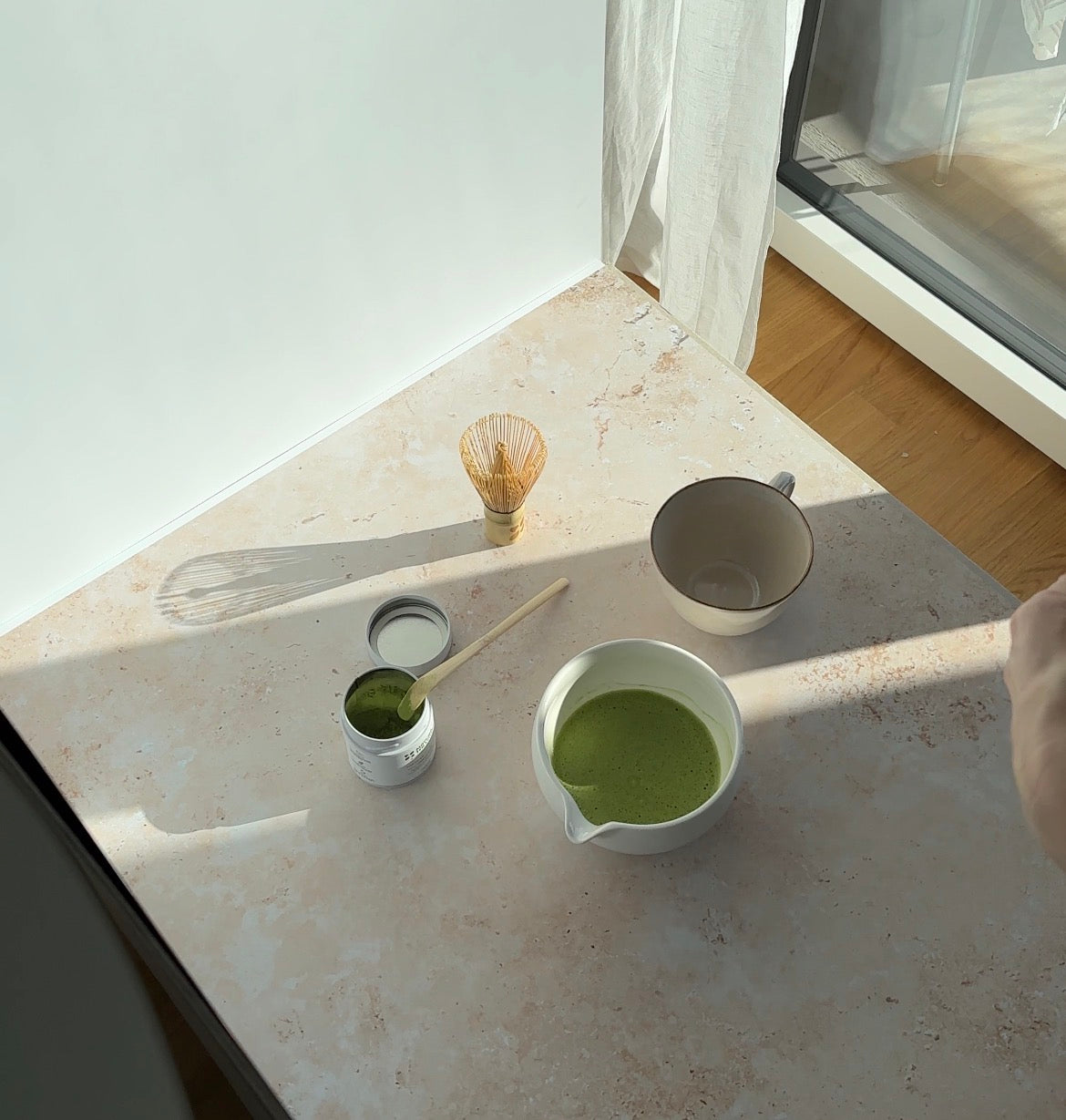
- A bamboo whisk or suitable frother
Enjoy it traditionally or add your preferred milk.
For a more detailed technique, explore our guide to whisking matcha properly.
The MTL approach to ceremonial matcha
For Matcha Tea Lovers, ceremonial matcha is not about exclusivity for its own sake.
It is about choosing a product whose quality makes the everyday ritual worth repeating.
Our Ceremonial Matcha from Uji, Japan reflects that philosophy through traditional craftsmanship, thoughtful sourcing and a commitment to the experience inside every cup.
If you're discovering matcha for the first time, our 10 g Discovery Size offers an introduction without a subscription.
For those who have made matcha part of their daily routine, our 40 g Matcha Subscription brings that ritual into a more consistent rhythm.
Because the real distinction of ceremonial matcha isn't simply how it is classified.
It's how something so carefully made can become such a natural part of everyday life.


Leave a comment
This site is protected by hCaptcha and the hCaptcha Privacy Policy and Terms of Service apply.