

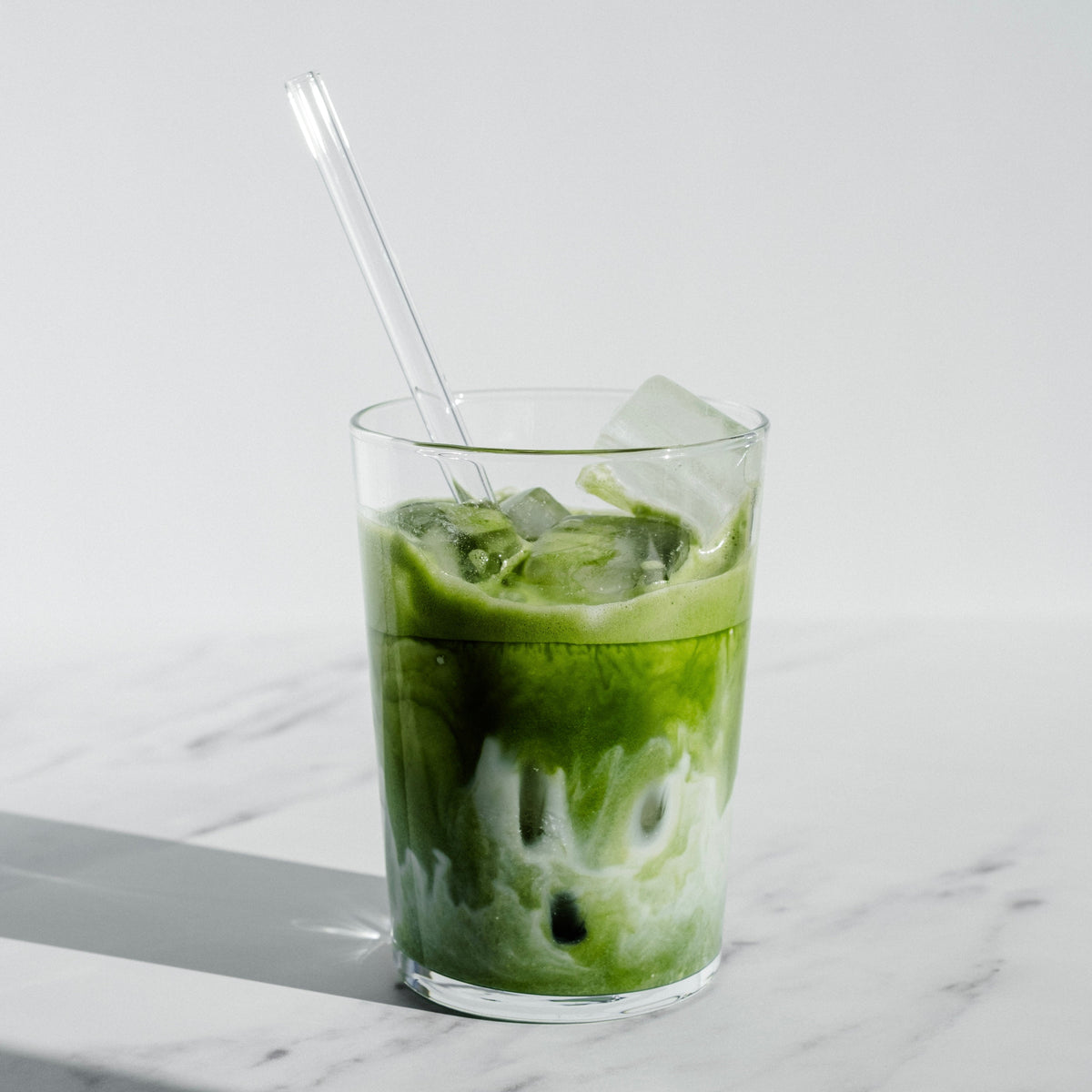
Is Matcha Good for Anxiety? What to Know
A midafternoon coffee can sharpen a busy mind, then leave it running too fast. Matcha offers a different caffeine experience, which is why many people ask: is matcha good for anxiety? The honest answer is that it can be a gentler choice for some people, but it is not an anxiety treatment, and its effects depend on your sensitivity to caffeine, your serving size, and the rest of your routine.
Matcha contains both caffeine and L-theanine, an amino acid naturally present in tea leaves. That pairing may support a state of calm alertness rather than the sharper stimulation some people associate with coffee. Still, anxiety is individual. For someone who is highly caffeine-sensitive, even a thoughtfully prepared bowl of matcha may increase restlessness, a racing heart, or disrupted sleep.
Is Matcha Good for Anxiety? The Short Answer
Matcha may be a better fit than coffee for people who want steadier energy and focus, particularly when consumed in a moderate amount and earlier in the day. Research on L-theanine, including studies that pair it with caffeine, suggests potential benefits for attention and subjective feelings of stress. The evidence is promising, though it does not establish matcha as a treatment for anxiety disorders.
The difference is partly compositional. Unlike steeped green tea, matcha is made by whisking finely milled tea leaves into water, so you consume the whole leaf. A typical serving provides roughly 35 to 70 milligrams of caffeine, although the amount varies with the cultivar, growing conditions, powder quantity, and preparation. For context, an eight-ounce brewed coffee often contains substantially more caffeine, but coffee’s range is wide as well.
Caffeine itself is not inherently bad. At an amount that suits you, it can improve concentration and mental energy. At an amount that exceeds your tolerance, it can mimic or amplify anxiety sensations: jitteriness, muscle tension, a fast pulse, and difficulty settling down. The question is less whether matcha is universally calming and more whether its particular balance works well for your nervous system.
Why L-Theanine Changes the Experience
L-theanine is one reason matcha is often described as focused rather than frantic. It is associated with changes in brain activity linked to relaxed attention, and small human studies suggest it may help support stress response and attention in certain settings. When combined with caffeine, L-theanine may reduce some of caffeine’s less pleasant effects for some people while preserving alertness.
That does not mean L-theanine cancels out caffeine. A person who feels anxious after a small cup of black tea may still react to matcha. It also does not mean every matcha drink will feel identical. A lightly prepared serving of high-quality matcha in water will affect you differently than a large iced matcha latte sweetened with syrup and paired with little food.
There is also a practical distinction between feeling calmer and having anxiety treated. Matcha may contribute to a more stable morning or a less abrupt afternoon energy shift. Persistent worry, panic symptoms, avoidance, or sleep disruption deserve proper support from a qualified healthcare professional. Tea can be part of a supportive routine, not a substitute for care.
The Ritual Matters, Too
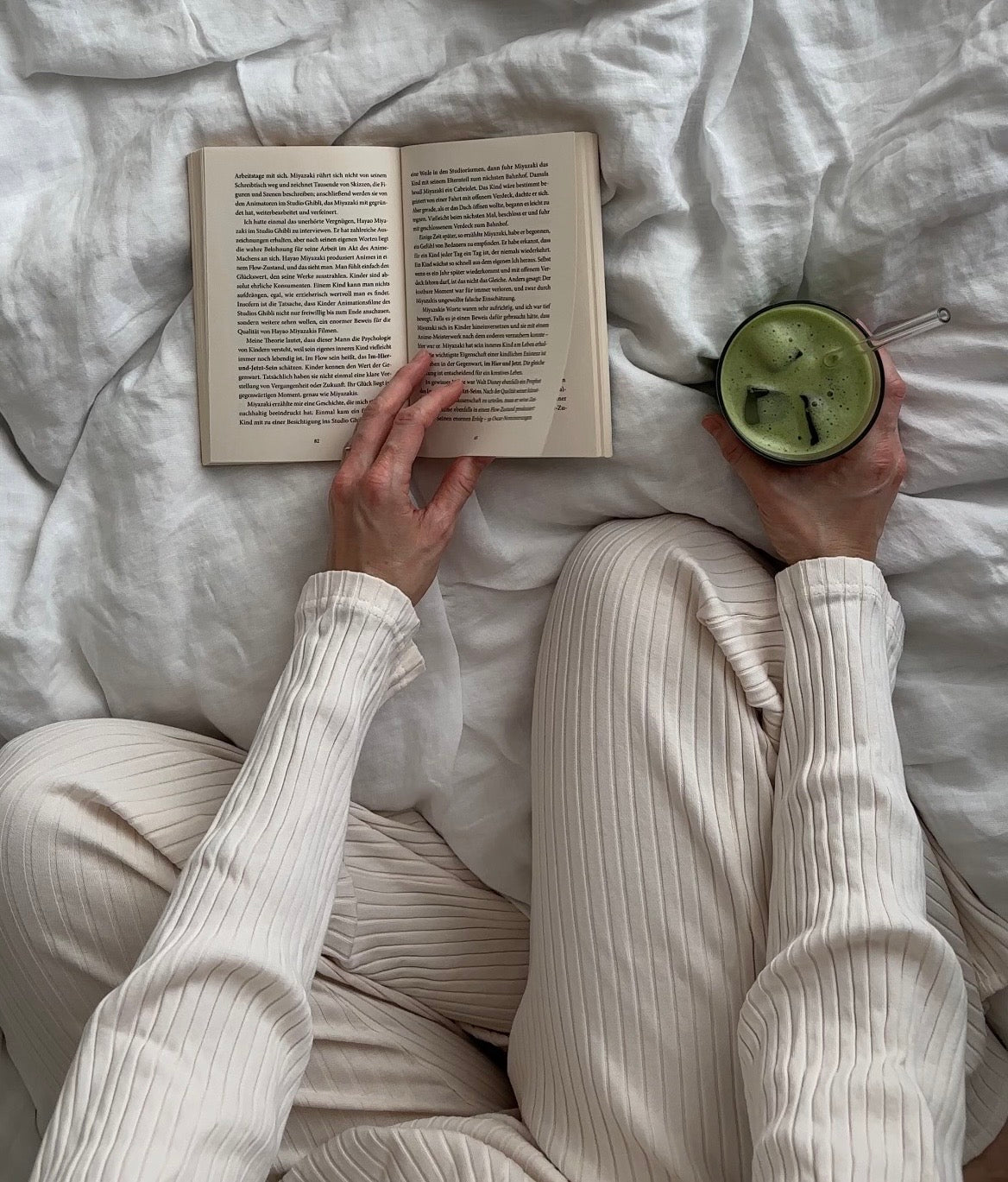
A matcha preparation ritual can create a useful pause before the day accelerates. Measuring the powder, warming the bowl, whisking with water, and drinking without multitasking are simple acts of attention. They do not change the clinical nature of anxiety, but they can help turn a caffeine habit into a more deliberate moment.
This is worth separating from claims about the ingredient itself. The ritual may feel regulating because it asks you to slow down, not because matcha has a guaranteed calming effect. For many people, that distinction is freeing. You do not need to expect a dramatic result to appreciate a quieter, more considered way to begin a workday.
Quality can influence enjoyment here. Fresh, well-stored Japanese matcha tends to taste smoother and more balanced, which makes it easier to drink without excessive sweeteners. It should be vibrant in color and have a clean vegetal character with natural sweetness and gentle umami, not an aggressively bitter or stale flavor. A pleasant cup supports consistency, and consistency is usually more useful than pursuing an intense effect from any wellness practice.
How to Try Matcha if You Tend Toward Anxiety
Start conservatively. Use about one-half teaspoon of matcha, or roughly one gram, whisked into warm water that is below boiling. Drink it after breakfast or alongside a meal rather than on an empty stomach. Food may make caffeine feel more manageable and can reduce nausea for people with sensitive stomachs.
Give yourself a week or two of observation before deciding whether matcha suits you. Notice not only how you feel 20 minutes after drinking it, but also your concentration, appetite, evening mood, and sleep. A drink that feels excellent at 9 a.m. but leaves you wired at bedtime may need a smaller serving or an earlier cutoff.
A few adjustments often make the difference:
- Keep matcha to the morning or early afternoon, especially if sleep is fragile.
- Avoid doubling up with coffee, energy drinks, pre-workout formulas, or high-caffeine supplements.
- Choose a smaller serving before increasing the amount.
- Skip added sugar when possible, since a sharp rise and fall in blood sugar can complicate how energized or unsettled you feel.
When Matcha May Not Be the Right Choice
Matcha is not the best option during every anxious season. Consider limiting or avoiding it if caffeine reliably triggers panic symptoms, palpitations, tremors, insomnia, or gastrointestinal discomfort. People who are pregnant, managing a heart condition, taking stimulant medications, or using medications that affect mood or blood pressure should ask a clinician or pharmacist about appropriate caffeine intake.
It is also wise to look at timing before blaming matcha alone. Poor sleep, skipped meals, dehydration, alcohol, acute stress, and multiple sources of caffeine can all lower your threshold for feeling overstimulated. If anxiety has changed suddenly, feels overwhelming, or interferes with work and relationships, professional guidance matters more than finding the perfect beverage.
For those who want the ritual without caffeine, consider a caffeine-free alternative later in the day. Matcha’s place is often in the morning, when its measured energy can support focused work, rather than as a remedy for an unsettled evening.
A More Useful Way to Think About Matcha
Matcha can be a thoughtful alternative to a larger, harsher caffeine habit. Its caffeine and L-theanine may support calm focus for some people, and its preparation can offer a small daily practice of attention. But the best result comes from respecting your own response, not from forcing matcha into a routine because it is supposed to feel calming.
Prepare a modest serving, drink it with intention, and let your energy, mood, and sleep tell you whether it belongs in your day. A good wellness ritual should leave more room for steadiness, not ask you to push through discomfort.

Leave a comment
This site is protected by hCaptcha and the hCaptcha Privacy Policy and Terms of Service apply.