

What Is L-Theanine? Calm Focus, Clearly Explained
A cup of matcha can feel different from a strong coffee: alert, but often less jagged. One reason is L-theanine, a naturally occurring amino acid found in tea. If you have wondered, “what is L theanine?” the short answer is that it is a tea compound studied for its potential role in relaxation, attention, and the distinctive experience of calm energy.
L-theanine is not a stimulant, sedative, or cure for stress. Its effects are generally subtle, and they vary by person, dose, caffeine intake, sleep, and context. Still, understanding how it works offers useful perspective for anyone choosing matcha as part of a more intentional daily routine.
What Is L-Theanine?
L-theanine, also called theanine, is an amino acid that occurs naturally in leaves of the Camellia sinensis plant, which gives us green, black, white, and oolong teas. It is especially associated with green tea and matcha. Small amounts have also been identified in certain mushrooms.
The “L” refers to the specific molecular form found in tea and used in most research and supplements. Unlike amino acids such as leucine or lysine, L-theanine is not used by the body to build protein. Instead, it appears to influence activity in the brain and nervous system.
Tea contains many active compounds, including caffeine, catechins, and aromatic compounds. L-theanine is one part of that broader composition. It should not be treated as the sole reason tea feels the way it does, but it is an important one.
How L-Theanine May Affect the Brain
After consumption, L-theanine can cross the blood-brain barrier. Research suggests it may influence several signaling systems involved in attention and relaxation, including glutamate, GABA, dopamine, and serotonin. These are complex systems, so a simple claim that L-theanine “boosts” one neurotransmitter misses the nuance.
In human studies, L-theanine has been associated with increases in alpha brain-wave activity, a pattern often observed during a wakeful, relaxed state. That finding helps explain why the compound is frequently described as supporting calm focus rather than drowsiness.
The research is promising but not definitive. Many studies are small, use different doses and study designs, or examine L-theanine alongside caffeine rather than on its own. Results support the idea that it may help some people feel more settled and attentive under certain conditions. They do not establish that it will reliably improve concentration, mood, or stress for everyone.
Why It Is Often Paired With Caffeine
The most compelling research on L-theanine often examines the combination of L-theanine and caffeine. In several controlled studies, the pairing has been linked with improvements in aspects of attention, reaction time, and task switching compared with placebo or either compound alone.
The practical appeal is straightforward. Caffeine promotes alertness, while L-theanine may soften some of the subjective tension or restlessness caffeine can bring. For some people, that can make a caffeinated tea feel more even than coffee. For others, especially those highly sensitive to caffeine, it may not make enough difference to prevent jitters or disrupted sleep.
This is not a license to add more caffeine. L-theanine may change the quality of alertness, but it does not erase caffeine’s effects on sleep, heart rate, or anxiety in sensitive individuals. The best dose remains the one that supports your day without borrowing from your night.
L-Theanine in Matcha Versus Brewed Tea
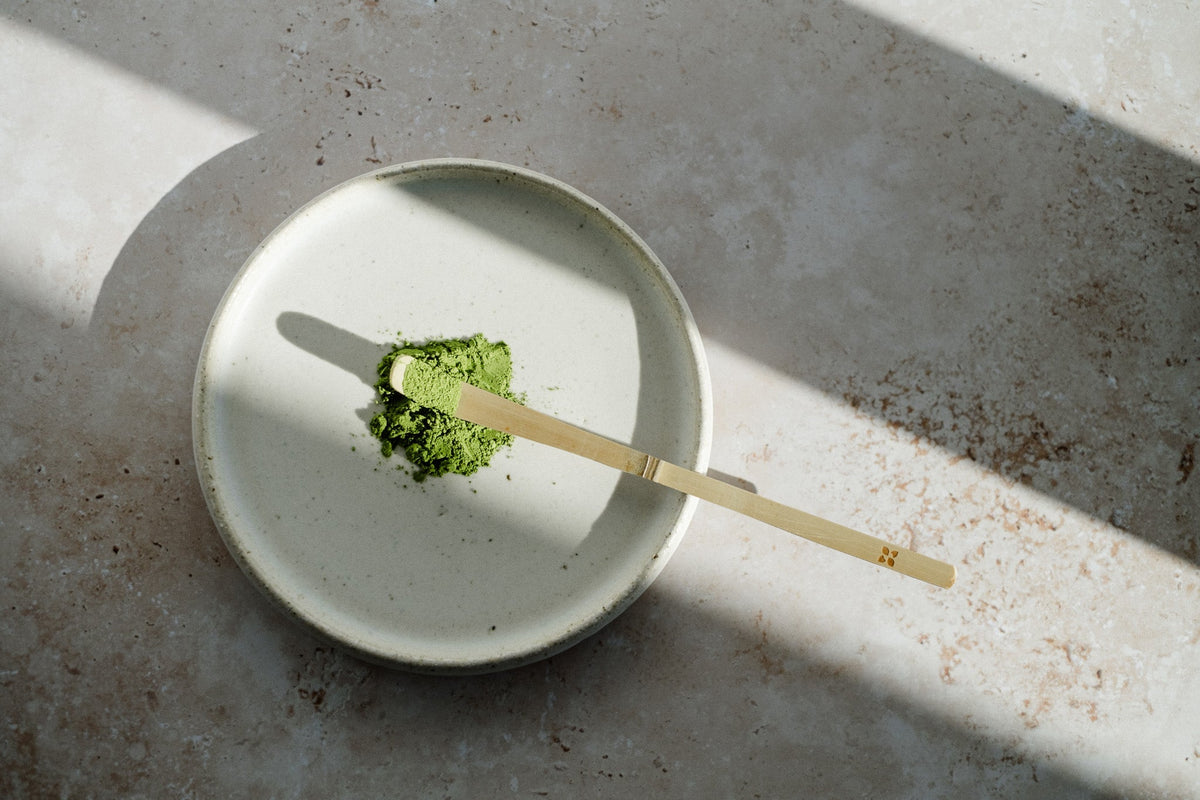
Because matcha is made by whisking powdered tea leaf into water, you consume the leaf itself rather than steeping and discarding it. This is one reason matcha can provide a meaningful amount of both caffeine and L-theanine in a relatively small serving.
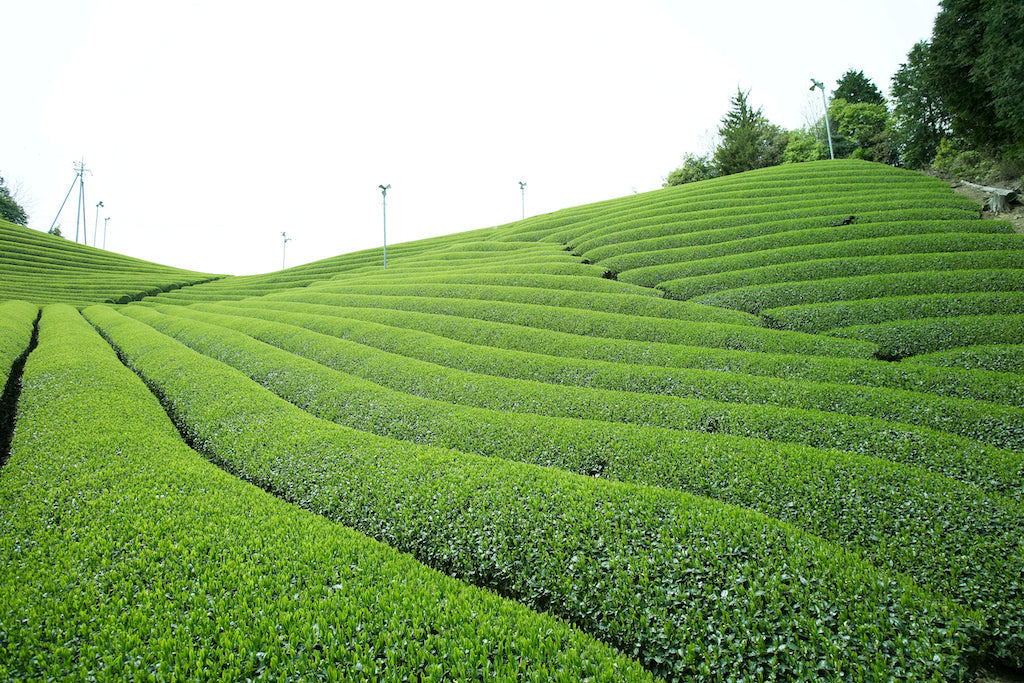
The actual amount is not fixed. Tea cultivar, growing conditions, shading practices, harvest timing, processing, storage, and serving size all affect composition. Shaded tea plants, used for matcha and gyokuro, are often associated with higher amino acid content. But a label rarely tells the entire story, and color alone cannot confirm theanine content.
A carefully sourced matcha can offer an elegant way to experience L-theanine as it occurs naturally alongside caffeine and tea polyphenols. It is also a ritual with built-in pace: measuring the powder, whisking it with water, and drinking it before the workday accelerates. The biochemical effect matters, but so does the setting in which you use it.
Brewed green tea contains L-theanine, too, though the amount extracted into a cup depends on the tea and preparation. Black tea also contains theanine, despite its more oxidized processing. If you enjoy tea, there is no need to chase a precise number. Consistency, quality, and how you personally respond are more useful measures.
Supplements: When They May and May Not Make Sense
L-theanine supplements usually contain a standardized dose, commonly in the range used in research. That can be useful when someone wants to evaluate the compound without caffeine, or pair a measured amount with their usual coffee or tea.
A supplement is not automatically better than tea. It isolates one compound and offers convenience, but it does not recreate the flavor, polyphenols, sensory pause, or cultural context of preparing tea. It also introduces another decision into a wellness routine that may already be crowded.
For a person who enjoys matcha and tolerates caffeine well, beginning with a regular, moderate matcha practice may be the more grounded approach. A supplement can be worth considering when caffeine is not appropriate, when tea is not appealing, or when a clinician has recommended it for an individual circumstance.
Quality matters with supplements. Choose products from companies that clearly state the amount of L-theanine per serving and use independent testing when possible. Be wary of blends that make broad promises about productivity, anxiety, or sleep while obscuring individual ingredient amounts.
Safety and Practical Considerations
L-theanine is generally considered well tolerated in the amounts commonly consumed through tea and studied in short-term supplement trials. Even so, “natural” does not mean universally appropriate.
If you are pregnant, breastfeeding, managing a medical condition, or taking prescription medication, speak with a qualified clinician before using an L-theanine supplement. This is particularly sensible for people taking medications that affect blood pressure, sedation, mood, or the nervous system. Research on long-term, high-dose use is more limited than research on occasional or short-term use.
Pay attention to timing. L-theanine itself is not typically stimulating, but matcha and other teas contain caffeine. A late-afternoon bowl may suit one person and interfere with another person’s sleep. If calm focus is the goal, start earlier in the day and keep the serving moderate.
It is also worth separating acute stress from persistent anxiety. A cup of tea can be a supportive ritual, but it is not a substitute for medical or mental health care when anxiety is ongoing, severe, or affecting daily life.
A More Useful Way to Think About L-Theanine
L-theanine is best understood as part of tea’s overall character, not as a shortcut to perfect concentration. The evidence suggests a modest, potentially helpful role in relaxed attention, especially when paired with caffeine. The experience is real for many tea drinkers, but it is not dramatic, and it should not be marketed as one.
For most people, the most practical experiment is simple: prepare a quality matcha in the morning, drink it without rushing, and notice how your focus, appetite, energy, and sleep respond over a week or two. A useful wellness practice earns its place not by promising more, but by fitting quietly and reliably into real life.


Leave a comment
This site is protected by hCaptcha and the hCaptcha Privacy Policy and Terms of Service apply.